Secondary Dwellings in Australia: The Complete Guide
Everything Australian property owners need to know about building a granny flat, modular home, or secondary dwelling — from council approval and construction to rental returns and compliance.
Secondary dwellings have become one of the fastest-growing segments of the Australian residential property market. Whether you are housing family, generating rental income, or creating a luxury short-stay retreat, a well-designed secondary dwelling can add significant value to your property and lifestyle. This guide covers the full lifecycle of a secondary dwelling project — what they are, how approval works, construction methods, investment returns, sustainability, and compliance — to help you make informed decisions at every stage.
What Is a Secondary Dwelling?
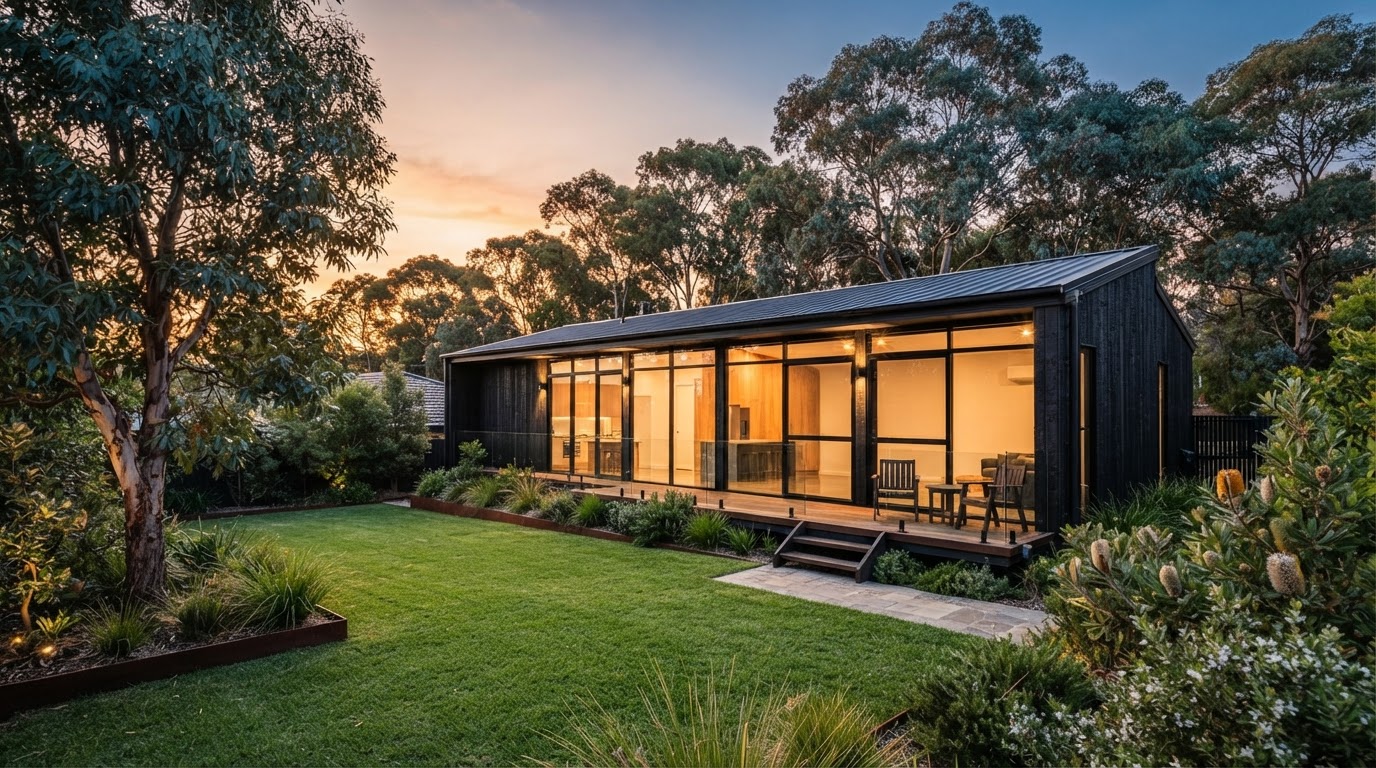
A secondary dwelling — commonly known as a granny flat — is a self-contained living space built on the same lot as an existing primary residence. In Australia, a secondary dwelling includes its own kitchen, bathroom, bedroom, and living area, allowing it to function as an independent home while sharing the land title with the main house. Secondary dwellings are increasingly popular for multigenerational living, housing elderly parents, adult children, or generating rental income. Under most Australian state planning frameworks, a secondary dwelling is permitted as long as it remains subordinate in floor area to the primary dwelling. Gov Development designs and builds secondary dwellings that comply with these definitions while maximising liveability, comfort, and architectural appeal.
Council Approval & Complying Development
In New South Wales, many secondary dwellings up to 60 square metres can be approved as Complying Development under the State Environmental Planning Policy, bypassing the need for a full Development Application. In Queensland, secondary dwellings are typically assessed against the local council's planning scheme, with requirements varying by zone. Victoria, Western Australia, and South Australia each have their own residential codes governing setbacks, site coverage, and occupancy. The approval process generally involves site analysis, architectural plans, engineering certification, and plumbing and drainage approval. Gov Development manages this entire approval pipeline as part of its full-circle service, ensuring every dwelling meets local council requirements before construction begins.
Construction & Modular Delivery
Modern secondary dwellings are increasingly built using modular and prefabricated construction methods. Components are manufactured in a controlled factory environment, then transported to site and assembled in days rather than months. This approach reduces weather-related delays, improves build quality, and minimises disruption to the existing household. Factory-built dwellings can include everything from structural frames and insulated wall panels to fully fitted kitchens and bathrooms. Once delivered, the dwelling is connected to existing services — electricity, water, sewerage, and data — and finalised with decking, landscaping, and handover. Gov Development works with over 100 factories across more than 1,000 designs to deliver dwellings Australia-wide.
Rental Yield & Investment Returns
Secondary dwellings are one of the highest-yielding residential investments available to Australian property owners. A well-designed granny flat can generate rental returns between 5% and 10% per annum, depending on location, build quality, and dwelling type. Because the dwelling is built on land already owned, there is no additional land acquisition cost, making the return on investment significantly higher than purchasing a separate investment property. Short-stay platforms such as Airbnb and Stayz have further increased the appeal of secondary dwellings, particularly in tourist regions along the Queensland coast, the NSW hinterland, and regional Victoria. Premium designs — including luxury pods, domes, and architecturally striking retreats — can command nightly rates that rival boutique accommodation.
Sustainability & Energy Efficiency
Contemporary secondary dwellings are designed to meet and exceed the energy efficiency requirements of the National Construction Code. High-performance insulation, double-glazed windows, cross-ventilation, and correct solar orientation reduce heating and cooling costs year-round. Many dwellings can be fitted with solar panels, battery storage, rainwater tanks, and heat-pump hot water systems to further reduce running costs and environmental impact. Modular construction itself is inherently more sustainable than traditional building: it produces less waste, uses materials more efficiently, and allows for future relocation or reconfiguration. Gov Development offers a range of eco-conscious finishes and can tailor each dwelling to suit its climate zone, from tropical Queensland to cool-temperate Tasmania.
Insurance, Compliance & Peace of Mind
A compliant secondary dwelling must meet building code requirements, carry appropriate certifications, and be registered with local council where required. Insurance providers typically require evidence of compliance — including occupation certificates, engineering sign-off, and electrical and plumbing certifications — before cover is issued. Landlords renting out a secondary dwelling should ensure their landlord insurance covers both the structure and rental income. For short-stay use, public liability insurance is essential. Gov Development delivers every dwelling fully certified and documented, providing owners with the compliance paperwork needed to insure, rent, and occupy with confidence. From concept through to handover, every stage is managed by licensed professionals under a single point of accountability.
Ready to Build Your Secondary Dwelling?
Gov Development is Australia's only full-circle secondary dwelling authority. From concept and council approval through factory-direct construction to final handover — one company, one point of accountability.
Get a Quote